

Tamponless in a Thong and Skinny Jeans
The rage is not irrational

Hello Pearl. Grab your overpriced drink, take five minutes, and let’s dissect the things we’re not supposed to say out loud. That message you haven’t sent. The job you keep saying you’ll quit after one more bonus. The irrational fear of walking to the bathroom at night. It’s safe in here. This is only between us.
You’ll find upcoming meetup links scrolling all the way down to the bottom.
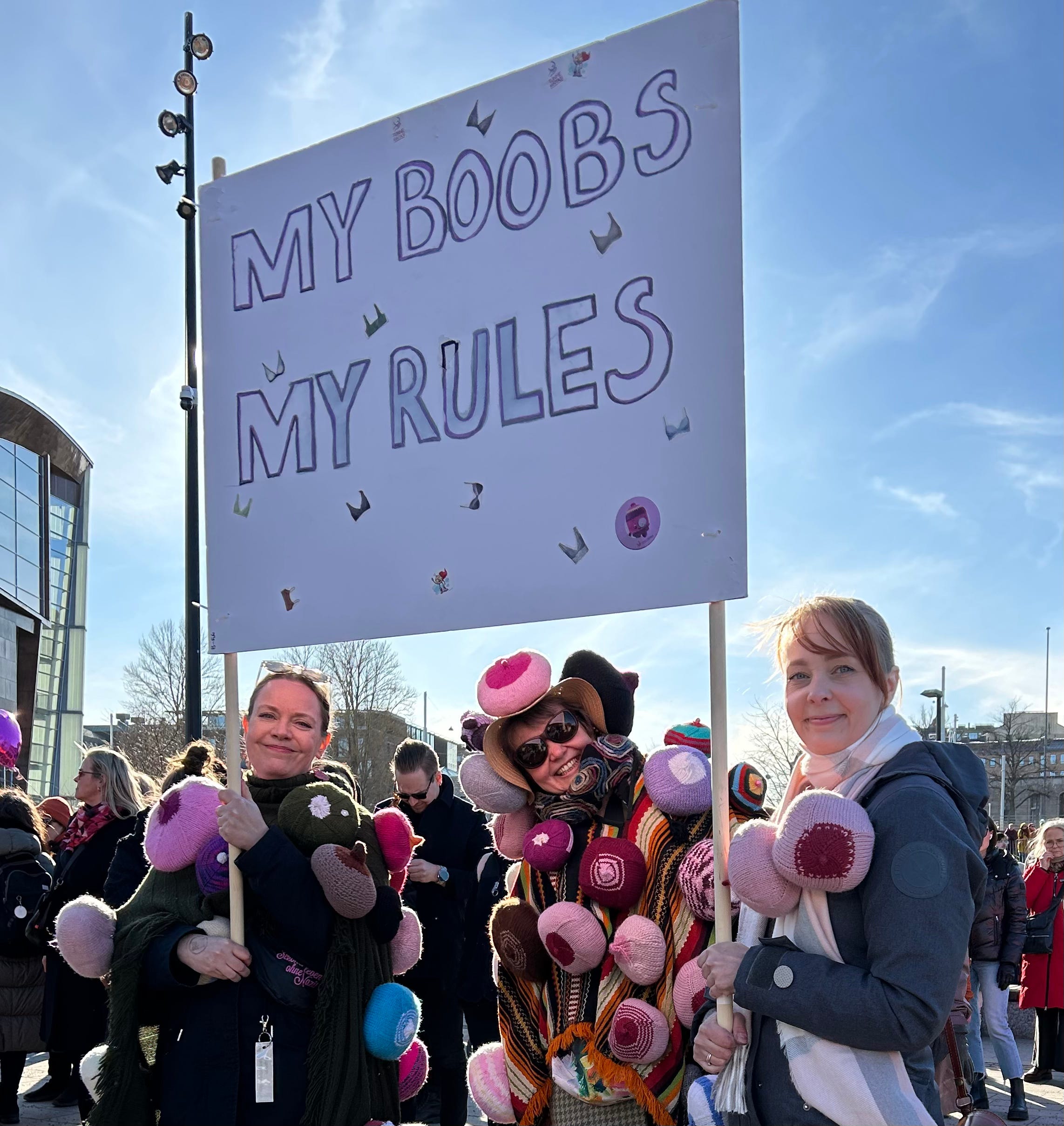
When I worked in corporate jobs, International Women’s Day was about as comfortable as the first day of your period — tamponless, in a thong and skinny jeans. I’d be in a nasty mood and quietly despising all my male colleagues. Their breathing sounded like centuries of unspoken violence and historical imbalance. I didn’t want to be there. There are only two things I’d rather do on March 8th: gather at Senate Square and march with an antipatriarchal sign, as I did last year, or celebrate womanhood, as I’ll be doing this year.
But I wasted many Women’s Days feeling powerless over the ridiculous human resources team’s attempts. As I couldn’t say anything without losing my temper, I faked smiles for flowers, beauty products, and pastel empowerment. One year, we had a series of talks with women in high-ranking roles, which finally seemed okay. However, before the panel even began, a man walked onto the stage and said something like “You’re the ones who really run things,” and then followed it with what he thought was a funny remark about his wife. No one laughed.
I wish I could replace my disdain with honest conversation. But if I try, I turn into a teenage girl in pure anger, black makeup, skipping class to skate with the guys, and refusing to wear pink. It’s a funny feeling: I hated everything girly as much as boys did. Or I tried to convince myself I did, at least.
“In the whole mythological tradition, the woman is there. All she has to do is realize that she’s the place that people are trying to get to. When a woman realizes what her wonderful character is, she’s not going to get messed up with the notion of being pseudo-male.”
This quote is a reply from Joseph Campbell to Maureen Murdock when she asked him about his thoughts on women’s journeys. He is the guy who created the hero’s journey in his 1949 book, The Hero with a Thousand Faces. It’s a collection of universal narrative patterns that significantly influenced modern storytelling, including George Lucas’s Star Wars.
To handle the disappointment, Murdock wrote the Women’s Arc in The Heroine’s Journey: Woman’s Quest for Wholeness (1990). The book draws on her experience as a psychologist working with women to articulate what she had been observing in her practice.
She argues that many girls learn very early that to succeed in society, they must distance themselves from what is considered feminine: emotion, softness, intuition, and care become weak or unserious. We are subtly told to adapt by identifying with masculine values such as achievement, productivity, and rationality.
In my twenties, I felt like a better woman because my IUD blocked my period. It made me (phew!) less of a girl. Like an authentic heroine, my journey included trying to succeed by playing the game according to masculine rules: highly competent, competitive, and emotionally controlled (artificial hormones doing their job pretty well, btw). A fake comfort in a fabricated life—that’s how I felt.
Maybe coming to Finland, maybe the pandemic, maybe being almost 40. The thing is: something shook my internal tension, and it was impossible not to feel how deeply my success belonged to a system that devalues parts of myself. I was climbing the wrong ladder.
Therapy, meltdowns, deep dive into self-knowledge led me to accept that success in the masculine world would never make me whole, and this nonconformity feeling presses anxiety buttons, especially in moments like Women’s Day. It tastes horrible, it stinks, but as I got close to the edge, I was also getting close to reclaiming the feminine as a valuable way of being: intuitive, emotionally intelligent, caring, and creative af.
It’s not about rejecting the masculine world entirely. I must embrace the heroine’s goal to become whole by integrating both.
In a society that celebrates women symbolically, but sticks to structures of power that mostly reward masculine norms, the rage is not irrational—it’s the friction between recognition and reality.
Let’s integrate them.


If you want to catch up in person, we’re doing something creative and fun with Kaura Ceramics on Sunday, March 22 — we’ll create everyday ritual ceramic pieces, which we can engrave a promise, a reminder, or a boundary you don’t want to cross anymore.
On Saturday, April 11, our book club returns. We’re reading Wuthering Heights and gathering for a delicious brunch to dissect love, obsession, and emotional chaos. 😮💨
We’re now partnering with Venga, an events platform that is based in Sweden. They offered us all the help, and I believe it makes all the sense to support a Nordic company. It works pretty similarly to Luma, but instead of getting emails, you’ll get SMS messages. If you need any help, feel free to ask me.
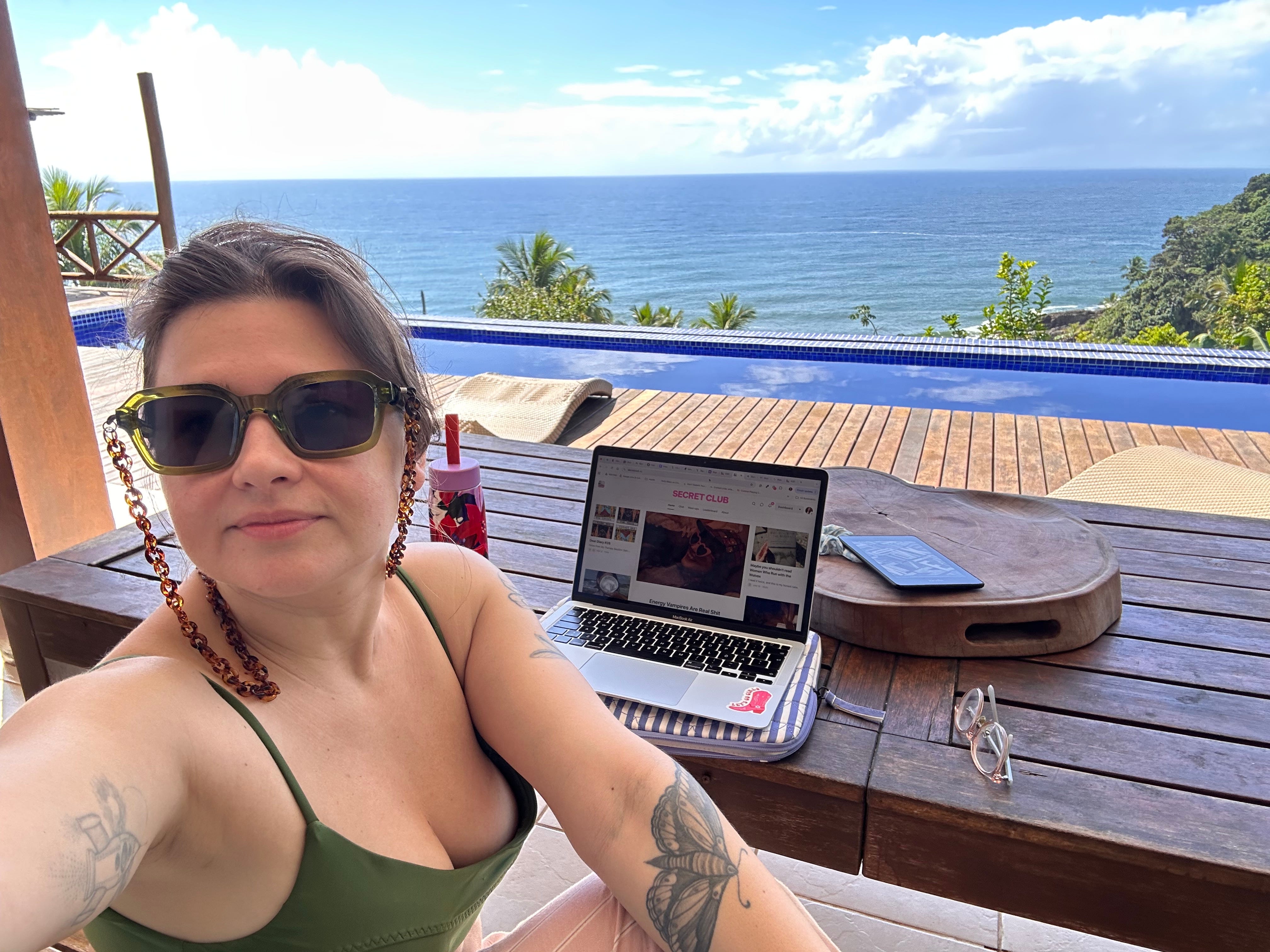
Missing you guys already. I wish I could bring you all here 💖
Love you,
Tássia