🔥 Grab a hot drink and take three — your attention span will thank you.
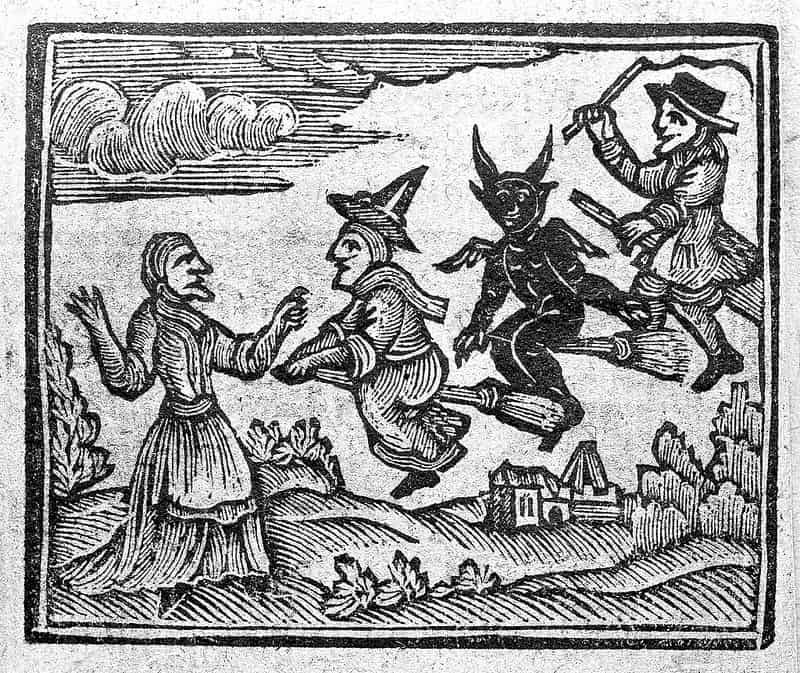
The story of the witches is the story of women — yes, I said it. We’re all witches, babe.
In Brazil, Halloween is called Dia das Bruxas—“The Day of the Witches.” Despite the name, we don’t really celebrate witches over there. But I think we absolutely should.
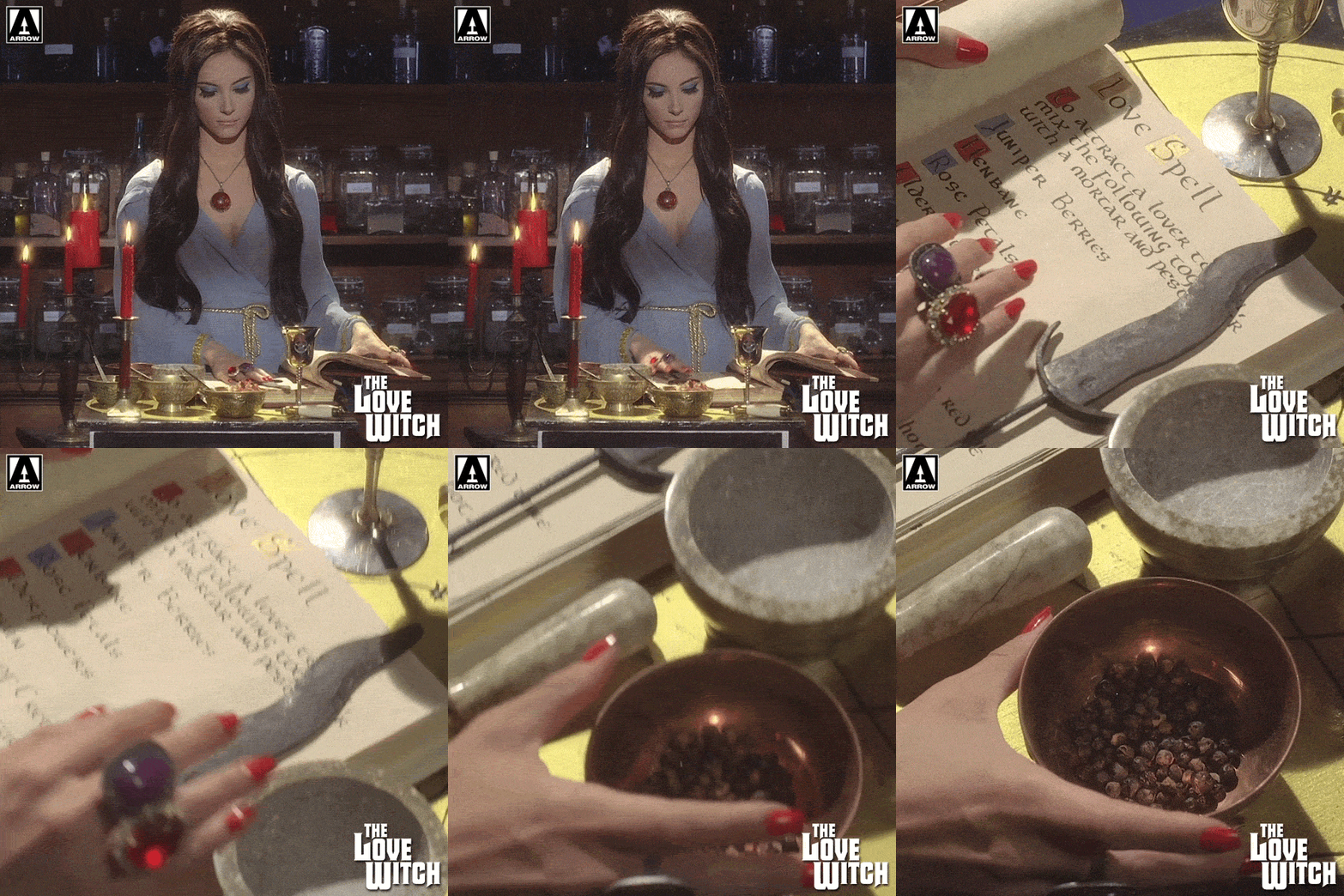
At the beginning, there were witches and bitches — and it wasn’t a crime to be either. A woman could be sassy, laugh loudly, gossip, drink, and still belong to her community. She could heal the sick with herbs and intuition. She could choose not to depend on men for survival. Magic was a form of care. Before science, even priests relied on folk healers and midwives.
I wish the story of the witches were just a bunch of Hocus Pocus. But it’s not — it’s about control. About how the Church and the emerging capitalist order created new rules to discipline women’s bodies in a world shifting toward commerce and private property.
It wasn’t superstition — it was social engineering.
During the 14th century, Europe still had female doctors and teachers competing with men in some academic fields. But as land use and labor shifted toward trade and industry, a new kind of discipline emerged. Women outside the domestic sphere weren’t good for business — after all, our unpaid work has always been the real economic backbone. Who else would feed, clothe, and raise the next generation of workers?
One afternoon, on a tram between Ooppera and Sörnäinen, an elderly woman asked for coins in Finnish. I automatically said “anteeksi,” and before I could react, she was gone — but she lingered in my thoughts. She reminded me of the old women who became “witches” as common lands began to vanish, and they had nowhere left to go. Infertile, widowed, poor — deemed useless, as if the only good fruit a woman could bear were babies.
As Europe shifted toward a market economy, a new mindset took hold: peasants were turned into workers, and common land into private property. The continent rewrote its moral codes, and The Malleus Maleficarum (The Hammer of the Witches, 1487) became the perfect manual for disciplining women and reshaping society to fit the needs of the new system.
Heresy became the new plague, and its symptoms were conveniently broad: any deviant behavior could be reported, and not reporting it was heresy too. A beggar cursing under her breath because no one gave her a coin? Heretic. The vagueness was the point — a weapon to silence critics, target marginalized groups (especially women and healers), and reinforce the Church’s monopoly on truth and salvation.
It became a collective hysteria with deadly consequences. Being sassy wasn’t funny anymore. The poor, the widowed, the old, and every woman who dared to heal or choose were invited to the stake.

But we became fire.
We raised up as healers, artists, feminists, and spiritual rebels. Some stir herbs under the moon, others code digital spells for love, protection, and growth. Calling ourselves witches is an act of resistance to honor every healer erased, every “difficult” woman told to shut up.
Witchcraft (and many times our creativity) is a mother tongue of resistance. It’s how we tune back into our intuition and scrub off the guilt patriarchy tried to tattoo on our souls. Candles, journals, cards, and herbs aren’t decoration, they’re tools lighting the way back to our power.
The witch hunts were never about witchcraft — they were about taming generations of women, teaching them not to be a bitch to fear their own voices and obey invisible rules.
They burned the witches, and we came back as fire.
Here’s to my coven — past, present, and rising. 🔥

xoxo,
Tássia

🧙🏻♀️Witches, Bitches, and Other Creatures!
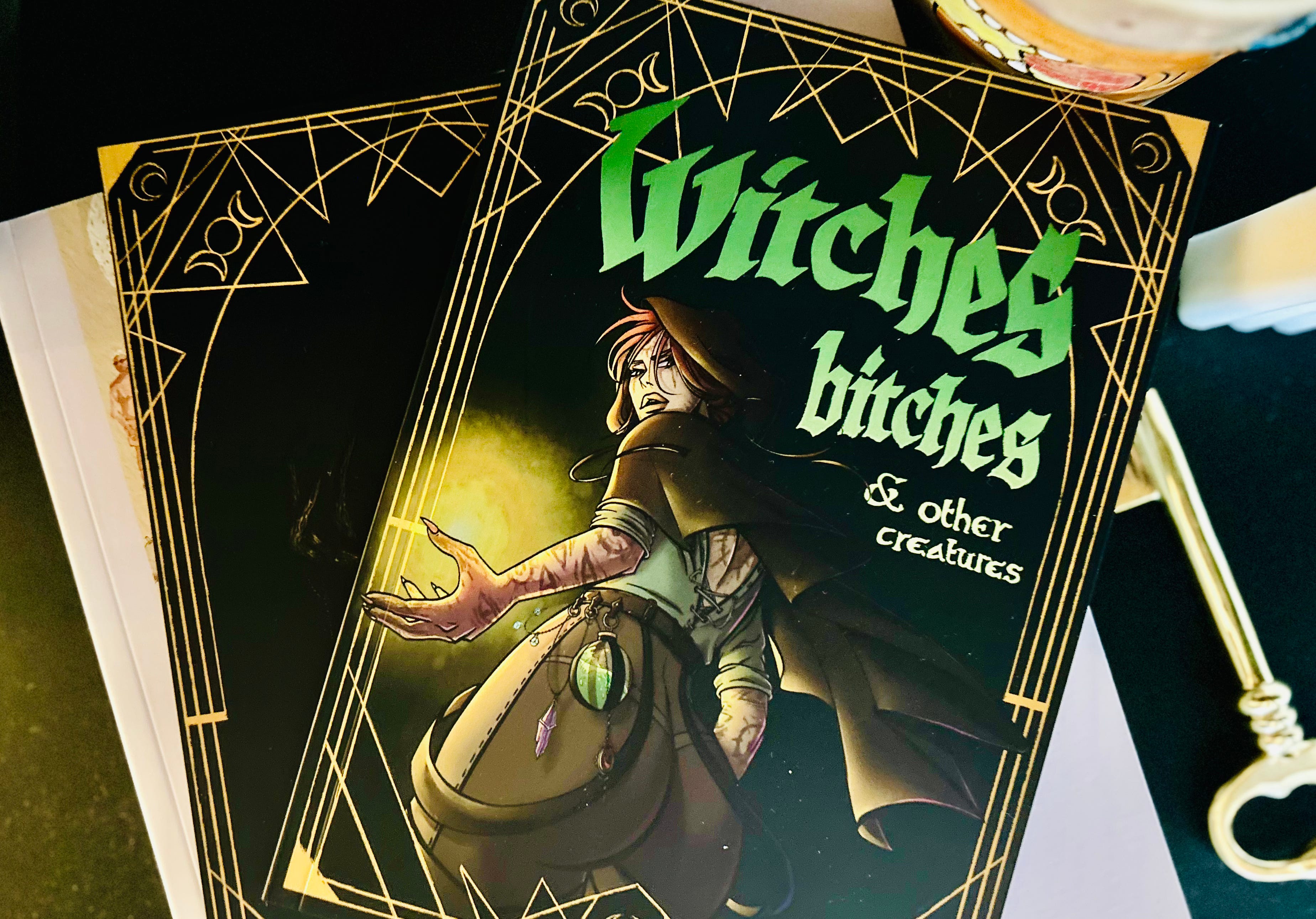
I wrote a delicious piece about how the word “gossip” changed across the centuries and why we should reclaim it to strengthen sisterhood! Witches, bitches, and other creatures is a zine created by Marty Brosky, a wildly talented illustrator and proud member of Secret Club! The zine is not only gorgeous, but it also features collaborations with other incredible witch writers.
You can grab your copy for 6,66 € — because we’re not afraid of the Devil 😈 I only have 10 copies in Helsinki. To get yours, you can quickly reply to this email or message me on Instagram.
👻 Haunted
Carol Bonatto, our favorite horror storyteller, is back with a chilling new tale inspired by a haunted house in her neighborhood. I’ve heard the real story and seen the photos, and trust me, it’s creepy. If you love a good scare, click here and enjoy this gem.